• Skip to primary navigation
  • Skip to main content

speek lesson material 2026

  • 目次
  • 参考情報
You are here: Home / Archives for Minimal-Pairs

Minimal-Pairs

/i/ and /ɪ/

アメリカ英語の発音記号 /i/ と /ɪ/ のミニマルペア30組

業務連絡:Grooveについて触れること

英語学習でつまずきやすいのが、長めの /i/(sheep の母音)と短めの /ɪ/(ship の母音)の区別です。日本語には「イ」ひとつしかないため、この2つを同じ音で発音してしまうと、意味がまったく変わってしまいます。

ここでは、この2つの音だけが違う「ミニマルペア(minimal pairs)」を30組まとめました。声に出して繰り返し練習してみてください。

発音のポイント

  • /i/ … 口を横に引き、やや長めに。日本語の「イー」に近いが、より緊張した音。
  • /ɪ/ … 口の力を抜いて短く。日本語の「イ」より「エ」に近い響きになる。

ミニマルペア一覧

#/i//ɪ/
1beat /bit/bit /bɪt/
2seat /sit/sit /sɪt/
3sheep /ʃip/ship /ʃɪp/
4feel /fil/fill /fɪl/
5heel /hil/hill /hɪl/
6peel /pil/pill /pɪl/
7leave /liv/live /lɪv/
8deep /dip/dip /dɪp/
9keen /kin/kin /kɪn/
10cheap /tʃip/chip /tʃɪp/
11green /ɡrin/grin /ɡrɪn/
12steal /stil/still /stɪl/
13meal /mil/mill /mɪl/
14reach /ritʃ/rich /rɪtʃ/
15each /itʃ/itch /ɪtʃ/
16eat /it/it /ɪt/
17team /tim/Tim /tɪm/
18bean /bin/bin /bɪn/
19seek /sik/sick /sɪk/
20week /wik/wick /wɪk/
21least /list/list /lɪst/
22feast /fist/fist /fɪst/
23neat /nit/knit /nɪt/
24heat /hit/hit /hɪt/
25wheel /wil/will /wɪl/
26scene /sin/sin /sɪn/
27read /rid/rid /rɪd/
28lead /lid/lid /lɪd/
29peach /pitʃ/pitch /pɪtʃ/
30sleep /slip/slip /slɪp/

練習の仕方

  1. まず縦に /i/ の列だけを読む
  2. 次に /ɪ/ の列だけを読む
  3. 最後に左右を交互に読んで、違いを意識する

毎日5分でも続けると、聞き分けもできるようになります。

/i/ と /ɪ/ で作る英語早口言葉 11選

前回の記事で紹介した /i/(sheep の母音)と /ɪ/(ship の母音)。区別を体に染み込ませるには、早口言葉が一番です。

“She sells seashells by the seashore.” のように、リズムに乗せて口を動かすうちに、頭で考えなくても音の切り替えができるようになります。

記号の見方

  • 太字 … /i/(口を横に引いて、やや長め)
  • 斜体 … /ɪ/(口の力を抜いて、短く。「エ」寄りの響き)

レベル1:短いフレーズ

1. Six sick sheep slip off the steep ship.

2. Rich reaches each itchy inch.

3. Keen Kim kicks the kid’s key into the deep ditch.

4. Bill will fill the big green bin with fifteen beans.
(fifteen は前半が /ɪ/、後半が /i/)

5. Three thin thieves think this cheap chip is his.


レベル2:中くらい

6. Jean’s clean dish is filled with Jill’s cheap chips.

7. We will weep if Will’s weekly wish is wicked.

8. Fifteen fit fishermen feast on fifty fresh fish.

9. Did the sheep on the ship sleep, or did the sheep slip?


レベル3:長いもの

10. She sees six shy sheep shivering on the ship’s seat by the sea, and each sheep’s shins slip while she sleeps.

11. Bit by beat, Bill beats the bin;beat by bit, the bin beats Bill.


おすすめの練習手順

  1. ゆっくり正確に … まずスピードを捨てて、母音の違いだけに集中する
  2. 録音して聞き返す … 自分では区別しているつもりでも、同じ音になっていることが多い
  3. 徐々に速く … 崩れないギリギリの速さを探る
  4. 9番と11番を重点的に … 母音を間違えると文の意味が通らなくなるので、自分の耳でチェックできる

毎日3分、声に出すだけで違いが出ます。
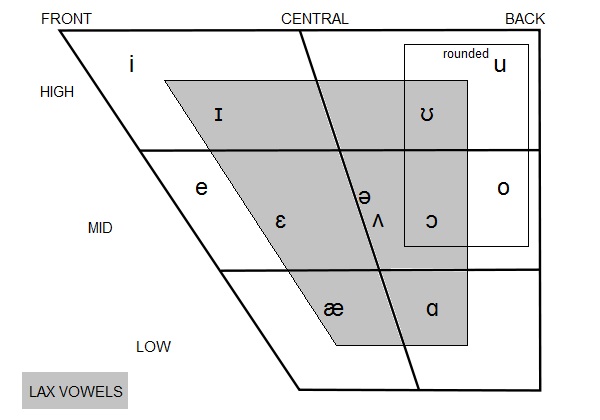
American IPA chart (IPA chart for General American)
American IPA chart

f/h

1. 語頭(Initial position)のペア

/f/ (無声唇歯摩擦音)/h/ (無声声門摩擦音)意味の対比
foolhood愚か者 / フード・頭巾
fathat太った / 帽子
fanhan (hang) (※)うちわ・扇風機 / かける(hangの対比用)
fallhall落ちる・秋 / ホール・玄関
foxhox (hoax)狐 / 悪ふざけ・担ぎ話
feetheat足(複数形) / 熱・温める
fithit適した・収まる / 叩く・当たる
fillhill満たす / 丘
fearhere恐れ / ここ
fightheight戦う / 高さ
findhind見つける / 後部の
finhin (hint) (※)ひれ / ヒント(hintの対比用)

2. 語尾(Final position)のペア

/f//h/ (音素として存在しないケース)意味の対比(発音構造の解説)
deaf(無し)耳が聞こえない
leaf(無し)葉
chef(無し)シェフ・料理長

※英語では語尾(音節末)の単独の /h/ は発音されない、または音素として存在しないため(例:oh や ah は母音のみ)、語尾における完全なミニマルペアは存在しません。そのため、指導時は語頭(Initial position)または語中のペアを中心に展開するのが効果的です。

3. 語中(Medial position)のペア

/f//h/意味の対比
caffeinecohesion (※)カフェイン / 結合・凝集(音の連続性の比較用)
infusein_house (※)注入する / 社内の(リンキング時の対比)

指導・実践へのワンポイント

  • /f/ の指導: 上の歯を軽く下唇の内側に当て、その隙間から「スッ」と息を吹き出します。日本語の「ふ」のように両唇をすぼめて息を出すと /h/(または無声両唇摩擦音)に聞こえてしまうため、必ず「歯と下唇」の接触を確認させます。
  • /h/ の指導: 口を軽く開け、喉の奥(声門)から「ハー」とため息をつくように息を出します。唇や歯による摩擦は一切起こさないのがポイントです。
  • 特に注意すべき母音: /iː/ や /ɪ/ が続く場合(例:feet / heat, fit / hit)、日本語の「ひ」の感覚で発音すると、舌の後ろが持ち上がってドイツ語の ich ような摩擦音(無声硬口蓋摩擦音)になりがちです。喉の奥からストレートに息を出すよう意識させると改善します。

L/R

1. 語頭(Initial position)のペア

/l/ (歯茎側音)/r/ (歯茎接近音)意味の対比
lightright光・軽い / 右・正しい
leadread導く / 読む
laterate遅い / 割合・料金
lanerain車線・小道 / 雨
laceraceレースの紐 / レース・競走
loadroad積み荷 / 道路
lockrock鍵をかける / 岩・ロック音楽
longwrong長い / 間違った
lowrow低い / 列・(ボートを)漕ぐ
liprip唇 / 切り裂く
flyfry飛ぶ・ハエ / 揚げる・炒める
playpray遊ぶ・演奏する / 祈る

2. 語尾(Final position)のペア

/l/ (Dark L)/r/ (R-colored vowel)意味の対比
peelpeer(皮を)むく / じっと見る・同僚
poolpoorプール / 貧しい
dealdear取引・扱う / 親愛なる
feelfear感じる / 恐れ
healhere治す / ここ
bowlboreボウル・鉢 / 退屈させる
stalestare(パンなどが)古い・新鮮でない / 凝視する
filefireファイル / 火・火事
tiletireタイル / タイヤ・疲れさせる
palpar友達 / 基準・パー(ゴルフ)

3. 語中(Medial position)のペア

/l//r/意味の対比
collectcorrect集める / 正しい・訂正する
electerect選出する / 直立させる・建てる
alivearrive生きている / 到着する
pilotpirateパイロット / 海賊
bellyberryお腹 / ベリー(果実)
jellyjerryゼリー / ジェリー(人名・俗称)
cloudcrowd雲 / 群衆・人混み
clowncrownピエロ / 王冠

指導・実践へのワンポイント

  • /l/ の指導: 舌先を上の歯茎(歯の付け根の膨らんだ部分)に完全に押し当て、息を舌の両脇から逃がします。語尾の(Dark L)では、舌先をつけずに舌の後方を持ち上げる、こもった「ウ」のような音になる点も意識させると効果的です。
  • /r/ の指導: 舌先をどこにも触れさせず、口の奥へ軽く引き込みます(そり返すか、または舌全体を持ち上げる)。発音の直前に、唇を少し丸めて「ウ」の口の形を作ると、綺麗な /r/ が出やすくなります。
  • 「ラ行」との違い: 日本語のラ行は、舌先で歯茎を一度「弾く(タップする)」ため、英語の /l/ と /r/ のどちらとも異なる性質を持っています。弾く動作を排除することが識別への近道です。

th/s

<h2>1. 語頭(Initial position)のペア</h2>
/θ/ (無声歯摩擦音)/s/ (無声歯茎摩擦音)意味の対比
thinksink思う・考える / 沈む・洗面台
thinsin薄い・細い / (宗教・道徳上の)罪
thicksick厚い・太い / 病気の
thanksank感謝する / 沈んだ(sinkの過去形)
thighsigh太もも / ため息(をつく)
themeseemテーマ・主題 / 〜のように見える
thiefsheaf (※)泥棒 / 束・(紙などの)一束
thoughtsought考え・ thinkの過去形 / 探し求めた(seekの過去形)
thumbsum親指 / 合計・金額
thingsingもの・こと / 歌う
therapysyrapy (syrupy)セラピー・療法 / シロップのような・ベタついた
<h2>2. 語尾(Final position)のペア</h2>
/θ//s/意味の対比
pathpass小道・進路 / 通過する・合格する
bathbass入浴・お風呂 / バス(低音・魚のバス)
mouth (名詞)mouse口 / ネズミ
clothclose (形容詞)布 / 近い・親しい
mathmass数学 / 塊・大量・質量
growthgross成長 / 総計の・気持ち悪い
faithface信頼・信仰 / 顔・直面する
fourthforce4番目の / 力・強制する
worthworse価値がある / より悪い(badの比較級)
mythmiss神話・作り話 / 逃す・恋しく思う
breathbrace息・呼吸 / 支える・矯正器具
<h2>3. 語中(Medial position)のペア</h2>
/θ//s/意味の対比
nothingnursing何も〜ない / 看護・授乳
birthdaybursary誕生日 / 奨学金(主に英)
earthyunearthly (※)土の・泥だらけの / この世のものとは思えない(対比用参考)
authorulcer著者・作家 / 潰瘍(かいよう)
patheticpass_it_in (※)哀れな・全くダメな / 提出する(リンキング時の対比)

v/b

1. 語頭(Initial position)のペア

/v/ (唇歯摩擦音)/b/ (両唇破裂音)意味の対比
vanbanワゴン車 / 禁止(する)
vestbestベスト・チョッキ / 最高の
vetbet獣医 / 賭ける
vinebineブドウなどの蔓(つる) / 蔓の茎
varybury異なる・変える / 埋める
veilbailベール・覆い / 保釈(金)
vowbow誓い / お辞儀・弓
verseberth詩・韻文 / (船や列車の)寝台・停泊所
vaultbolt地下貯蔵庫・跳馬 / ボルト・締め具
voiceboys声 / 少年たち

2. 語尾(Final position)のペア

/v/ (有声唇歯摩擦音)/b/ (有声両唇破裂音)意味の対比
cavecab洞窟 / タクシー
gloveglob手袋 / (液体の)小さな塊・一滴
ravelabべた褒めする・大騒ぎ / 研究所・実験室
curvekerb (curb)カーブ・曲線 / (歩道の)縁石・抑制
dovedub鳩 / (映画などを)吹き替える
shaveshab髭を剃る / 卑劣な人間(古語・俗語)
livelib生きる・住む / 自由(liberationの略)
roving (rove)robing (robe)さまよう / 礼服を着せる

3. 語中(Medial position)のペア

/v//b/意味の対比
cloverclobberクローバー / 強く叩く・酷評する
marvelmarble驚嘆する / 大理石・ビー玉
shavingshabbing髭剃り / 卑劣な行い
loaveslobesパンの塊(複数形) / 耳たぶ(複数形)
calvescabs子牛・ふくらはぎ(複数形) / タクシー(複数形)

※語中に関しては完全なミニマルペアの数が限られるため、レッスンでの実用性を考慮し、複数形(-ves / -bs)の対比も取り入れています。

指導・実践へのワンポイント

  • /v/ の指導: 上の前歯を軽く下唇の内側に当て、隙間から息を出しながら声帯を振動させます。強すぎて「噛む」動作にならないよう、「摩擦の持続」を意識させると効果的です。
  • /b/ の指導: 上下の唇を一度完全に閉じ、息をためてから一気に開放(破裂)させます。/v/ のように音が長く伸びない(一瞬で終わる)点がポイントです。

R and L Minimal Pairs List

https://user.keio.ac.jp/~rhotta/hellog/2013-10-01-1.html

Here is a comprehensive list of R and L minimal pairs, categorized by the position of the sound. This is designed to help students notice the contrast in tongue placement and airflow.


1. Word-Initial Position (Beginning of Words)

The contrast at the start of a word is often the most critical for clear communication.

R SoundL Sound
RiceLice
RightLight
RoadLoad
RawLaw
RoomLoom
RateLate
RipLip
RedLed
RampLamp
RushLush

2. Intervocalic Position (Middle of Words)

When the sounds occur between vowels, the transition from the preceding vowel shapes the clarity of the consonant.

R SoundL Sound
BerryBelly
CorrectCollect
MarryMalley
PiratePilot
ArriveAlive
MirrorMiller
FerryFellow

3. Consonant Clusters (Blends)

Distinguishing R and L after another consonant requires fine motor control of the tongue.

R SoundL Sound
FryFly
GrowGlow
FrameFlame
PrayPlay
CrowClow
BreedBleed
GrassGlass
FrightFlight
CrewClue
ProudPlow

4. Word-Final Position (End of Words)

In final positions, the contrast is between the r-colored vowel (rhotic retroflex/bunched) and the dark L.

R SoundL Sound
EarIll
NearKneel
PearPal
BarBall
PurrPull
CoreCoal
TireTile
FourFall

Quick Practice Tips for Students

  • For R: Pull the tongue back into the mouth. The sides of the tongue should touch the upper back teeth. Do not let the tip touch the roof of the mouth.
  • For L: Place the tip of the tongue firmly against the alveolar ridge (the bumpy area right behind the upper front teeth) and let the air flow out the sides.
  • « Go to Previous Page
  • Page 1
  • Page 2